Due to the high humidity, strong odor and dense population of bathhouses, the demand for fresh air units is particularly urgent. The core functions of fresh air units should focus on efficient dehumidification, odor purification, anti-mold and anti-bacterial, as well as stable operation. The following is a specific analysis:
I. Characteristics of Bathhouse Environment and Core Requirements of Fresh Air Units
High humidity problem
A large amount of water vapor is produced during the bathing process. If the humidity remains above 70% for a long time, it can easily lead to:
Customers feel stuffy and uncomfortable, and their experience declines.
The walls and ceilings are moldy and the equipment is corroded.
Bacteria and mold breed, posing a threat to health.
Requirement: The fresh air unit should be equipped with an intelligent dehumidification function, capable of automatically adjusting the dehumidification volume based on humidity to maintain the indoor humidity within a comfortable range of 40% to 60%.
Odor purification challenge
If the air mixed with body wash, shampoo and human sweat is not discharged in time, it will form a pungent smell, which will affect the image of the store.
Requirement: It is necessary to be equipped with an efficient air purification system, such as activated carbon filtration, photocatalytic oxidation and other technologies, to quickly decompose odor molecules.
The demand for mold and bacteria prevention
High-humidity environments are breeding grounds for mold and need to be achieved through fresh air units:
Reduce the humidity to a safe level;
Introduce fresh air to dilute the concentration of pollutants;
Optional ultraviolet lamp sterilization or plasma purification functions can be equipped to further inhibit the spread of bacteria.
Requirements for stable operation
Bathhouses usually operate 24 hours a day. The fresh air units should be equipped with:
Anti-freezing protection (to prevent the coil from cracking when the temperature is low in winter);
Low-noise design (to avoid affecting the customer experience);
Easy maintainability (such as detachable filter screens for convenient cleaning).
Ii. Technical Configuration Recommendations for Special Fresh Air Units for Bathhouses
Combination of functional sections
Air intake section: Coarse filter (intercepts large particles of dust);
Filtration section: Medium efficiency + high efficiency filters (for capturing PM2.5 and some bacteria);
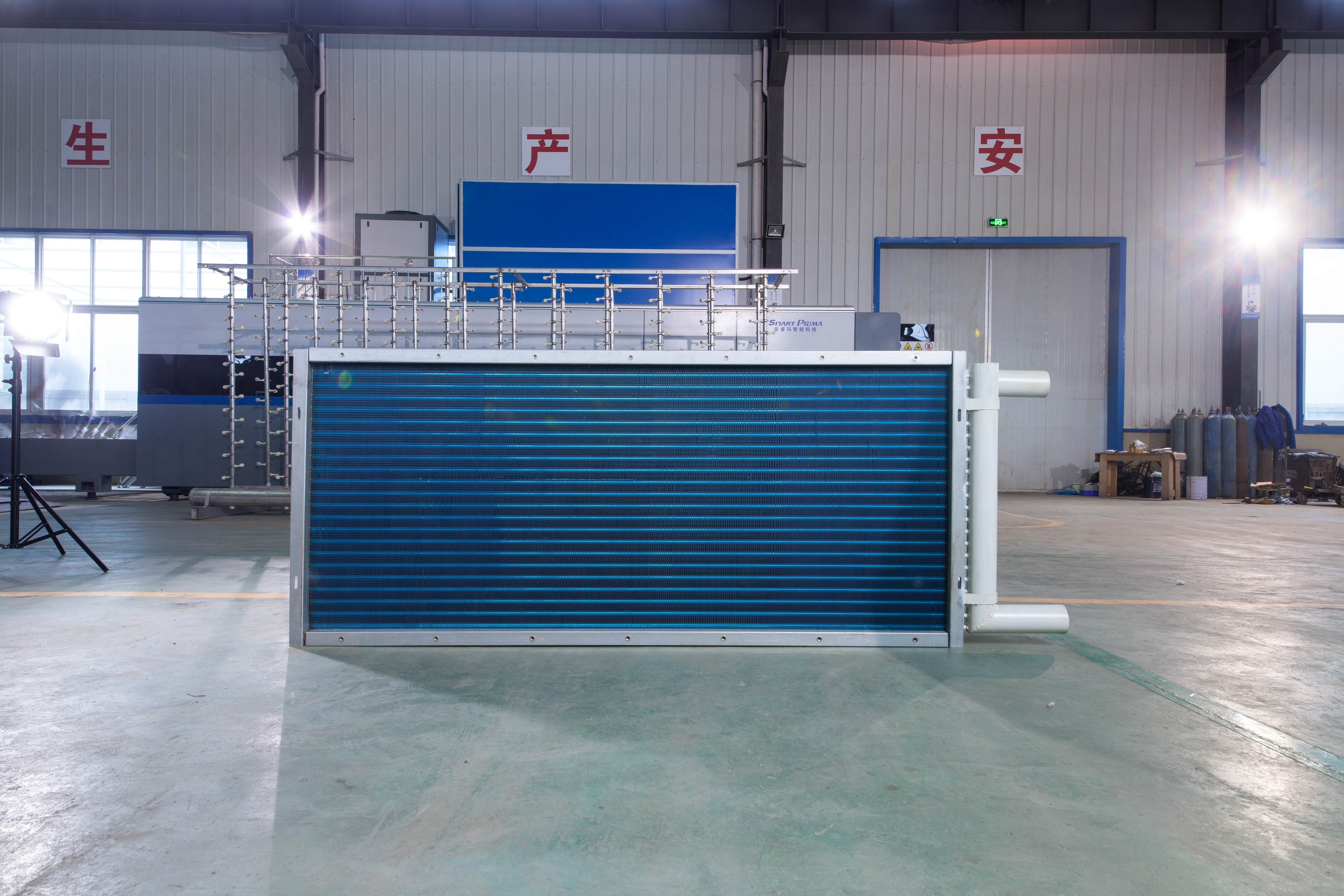
Surface cooling section: Cooling and dehumidification, controlling the supply air temperature;
Humidification section (optional) : To supplement humidity during dry winter.
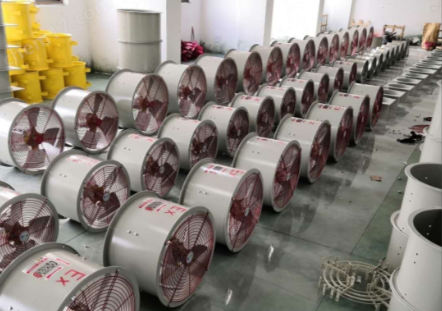
Fan section: Centrifugal fan (large air volume, low noise);
Sterilization section: Ultraviolet lamp or plasma generator;
Air outlet section: Muffler (noise reduction).
Reference of key parameters
Air volume: Calculated based on the area of the bathhouse, it is generally designed for 3 to 5 air changes per hour (for example, for a 200㎡ bathhouse with a floor height of 3 meters, the required air volume is 1800 to 3000m³/h).
Residual pressure: 500-1000Pa (suitable for long duct air supply)
Dehumidification capacity: Prioritize models that can automatically adjust the dehumidification volume to avoid excessive dehumidification leading to dryness.
Noise: Indoor noise ≤50dB (equivalent to a soft conversation).
Intelligent control function
Humidity linkage: Automatically start and stop dehumidification through the humidity sensor.
CO₂ concentration control: Adjust the fresh air volume based on the indoor carbon dioxide concentration.
Fault alarm: Timely reminder for maintenance when the filter screen is clogged or the fan malfunctions.
Iii. Selection and Installation Suggestions
Selection principle
The air volume should be determined based on the area of the bathhouse and the number of visitors.
Give priority to choosing fresh air units with heat recovery function to save energy and reduce consumption.
In northern regions, attention should be paid to the anti-freezing performance, and electric heating assistance or on-duty fan design should be selected.
Key points for installation
Air supply outlet location: Avoid direct blowing on customers. It is advisable to set it in the corridor or on the ceiling.
Exhaust outlet layout: Close to odor sources (such as shower areas) to ensure directional air flow.
The material of the air duct: Anti-corrosion and thermal insulation materials are adopted to prevent condensation water from dripping.
Maintenance management
Clean the primary filter monthly and replace the medium-efficiency filter quarterly.
Regularly check the frosting condition of the surface cooler to ensure the effectiveness of the anti-freezing protection.
Record the operation data and optimize the air supply parameters.